
Warm climate, food culture, ancient history
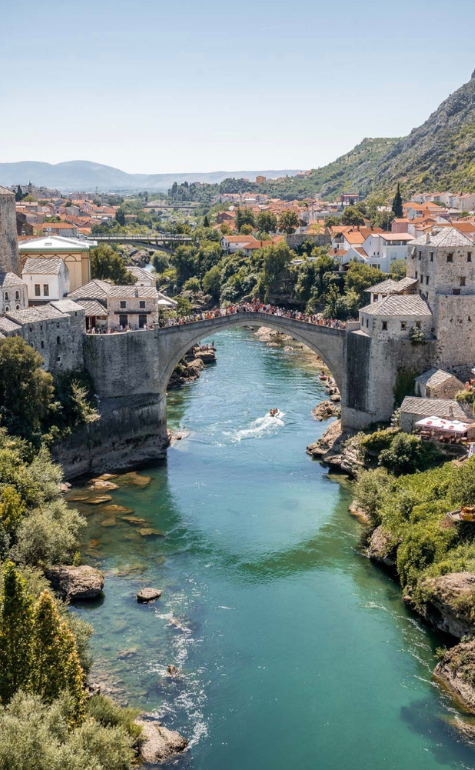
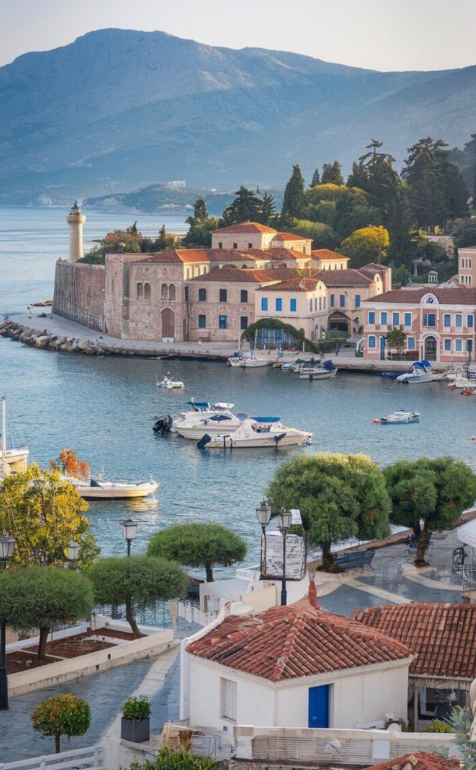
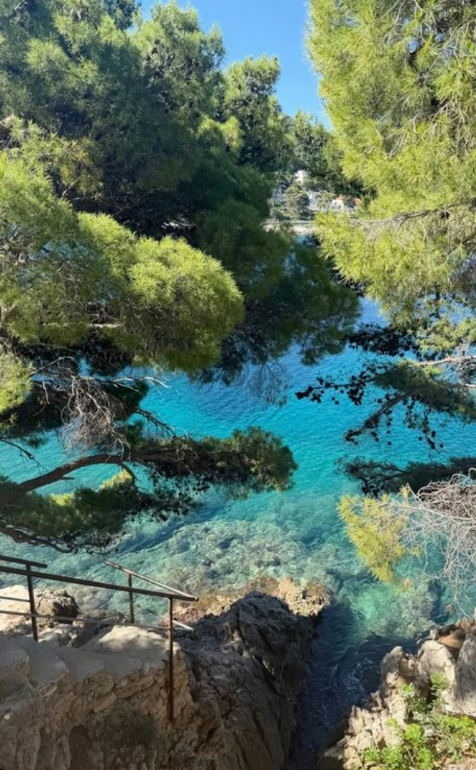
Southern Europe is shaped by warm climates, long coastlines, and some of the oldest civilisations in the world. The region includes countries such as Spain, Italy, Greece, Portugal, Croatia, and Malta, where daily life is often centred around food, family, and social interaction. Ancient ruins, medieval towns, and historic ports sit alongside modern beach resorts and lively city life.
The Mediterranean Sea defines much of the regions character, offering island culture, coastal drives, fishing villages, and relaxed rhythms of life. Tourism focuses on beaches, historical sites, cuisine, and cultural festivals, with each country offering its own distinct version of southern European life. From Italian art cities to Greek islands and the Spanish interior, the region feels varied but culturally connected.
Southern Europe is generally safe and welcoming, though infrastructure quality varies between countries and regions. Summer heat, crowds, and seasonal tourism can affect travel experiences, especially in coastal areas. For travellers seeking warmth, culture, history, and a slower pace of life, Southern Europe remains one of Europe’s most appealing regions.

Albania – Under explored coastline, mountains, and rapid social change. Tourism is rising but infrastructure remains basic. Affordable and informal. Direct flights are much improved.
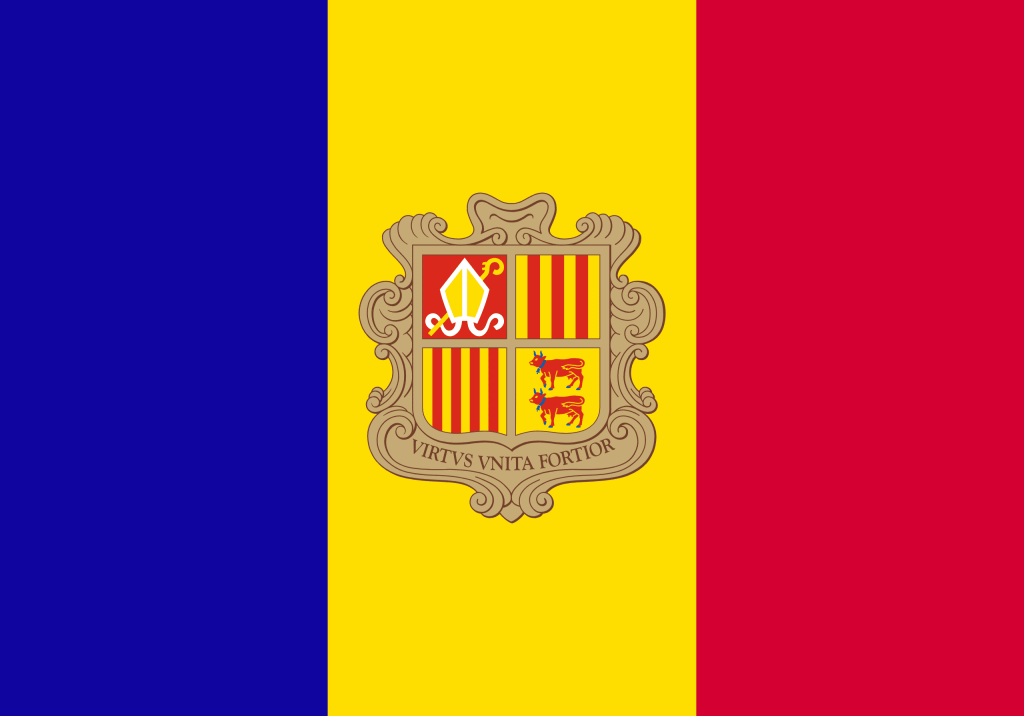
Andorra – Mountain microstate focused on skiing and retail tourism. Small size and tax advantages shape its economy. Popular for short alpine trips.
Bosnia and Herzegovina – Post conflict society with layered history and beautiful landscapes. Sarajevo is a fascinating city with some of the most interesting tourist sites, such as the tunnels that kept people alive during the prolonged siege in the 90s. Tourism is growing slowly around the country in areas such as Banja Luka.
Croatia – Adriatic coastline, medieval towns, and island culture define travel. Tourism is well developed and growing rapidly, especially on the islands. Cities such as Split, Zadar and Dubrovnik are very interesting and enjoyable for a short visit.

Cyprus – Divided island with stunning beaches and ancient traditions. Nicosia is the world’s only divided capital city. It’s border is now open, meaning that travel to the Turkish controlled North is very accessible. Party in the south and more peaceful in the North.

Gibraltar – The rock is of great military and strategic importance. A small area but with unique and interesting tourism activities. The runway that turns into a road; the confident macaques at the top of the rock, the cable car, the underground military tunnels… Well worth a visit with good access from Spain and by boat as well.

Greece – Ancient ruins, island life, and Mediterranean culture shape the country. Tourism centres around Athens, islands, and coastal resorts. History remains central to identity. Thessaloniki is the country’s second largest in the north and is more relaxing than Athens.
Italy – Art, food, fashion, and layered cities define the experience. Each region feels culturally distinct. Travel infrastructure is extensive but can be crowded. A true treasure trove for travellers from skiing in the north to the islands of Sardinia and Sicily. Lesser known areas such as Puglia are real delights in their own right.
Malta – Small island nation with deep history, religion and strategic location. Dense archaeology sits alongside modern tourism. English is widely spoken. Go to Gozo for a more relaxed experience.

Montenegro – Rugged mountains meet a compact Adriatic coast. Tourism is growing but still less developed than Croatia. Strong natural appeal. Boasts both great beaches and rural attractions.
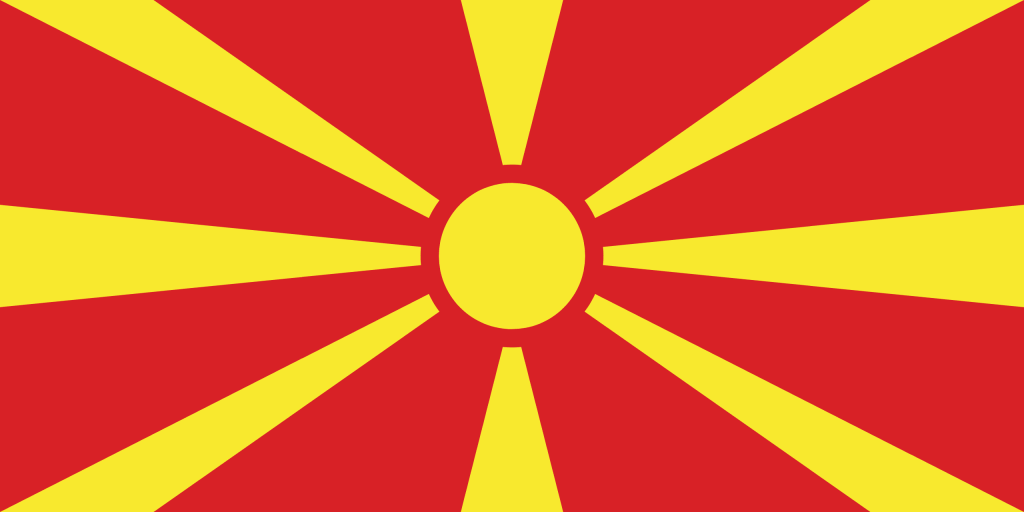
North Macedonia – Lake Ohrid is one of the most beautiful destinations in the whole of Europe. In addition, Skopje is an unusual and fascinating capital city. Adorned with a plethora of statues, Mother Theresa artefacts and a vibrant mix of cultures.
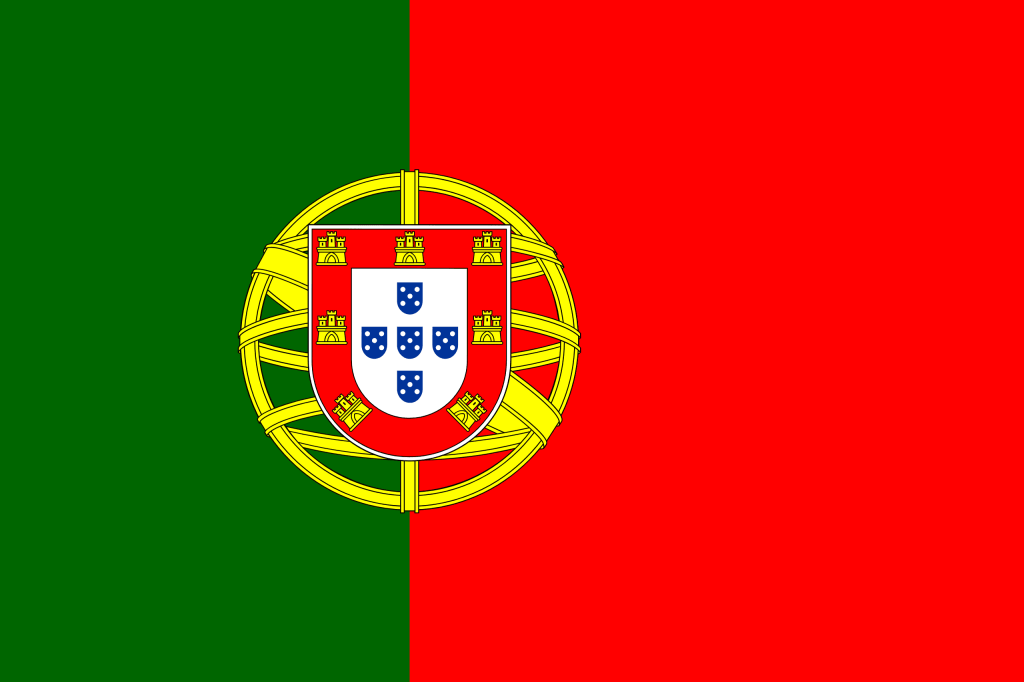
Portugal – Atlantic coastline, relaxed pace, and historic maritime culture. Lisbon and Porto are popular but much of the country remains calm and rural. The south remains the true focus for tourism but can be overcrowded, especially in the summer. The Azores are an interesting alternative.
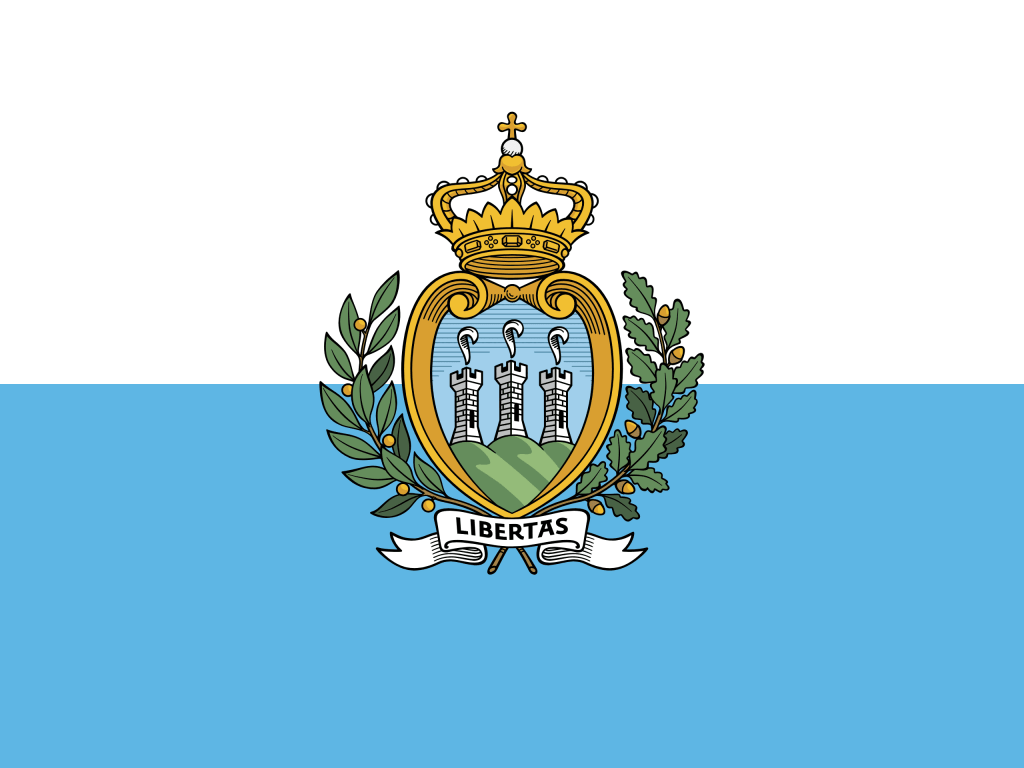
San Marino – Ancient microstate on a mountain surrounded by Italy. Strong identity and preserved medieval architecture. Popular for short visits.
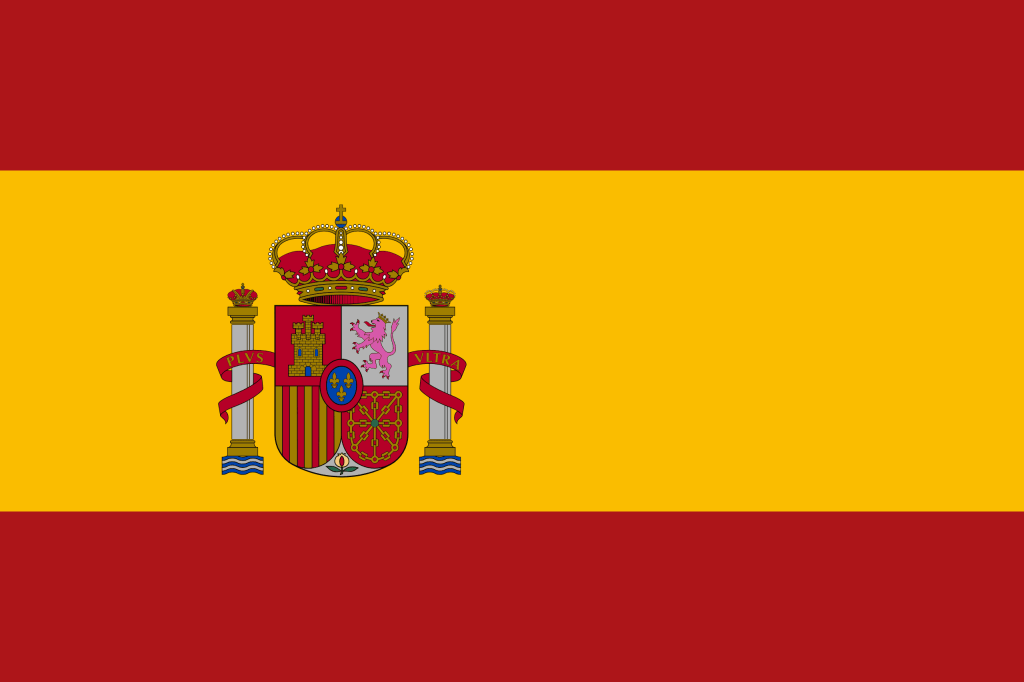
Spain – Regional cultures, major cities, and varied landscapes. Remains one of the most popular beach destinations in the world to include the Costas and many of the loved islands. Barcelona and Madrid dominate urban tourism but rural regions offer depth. Food and social life are central.
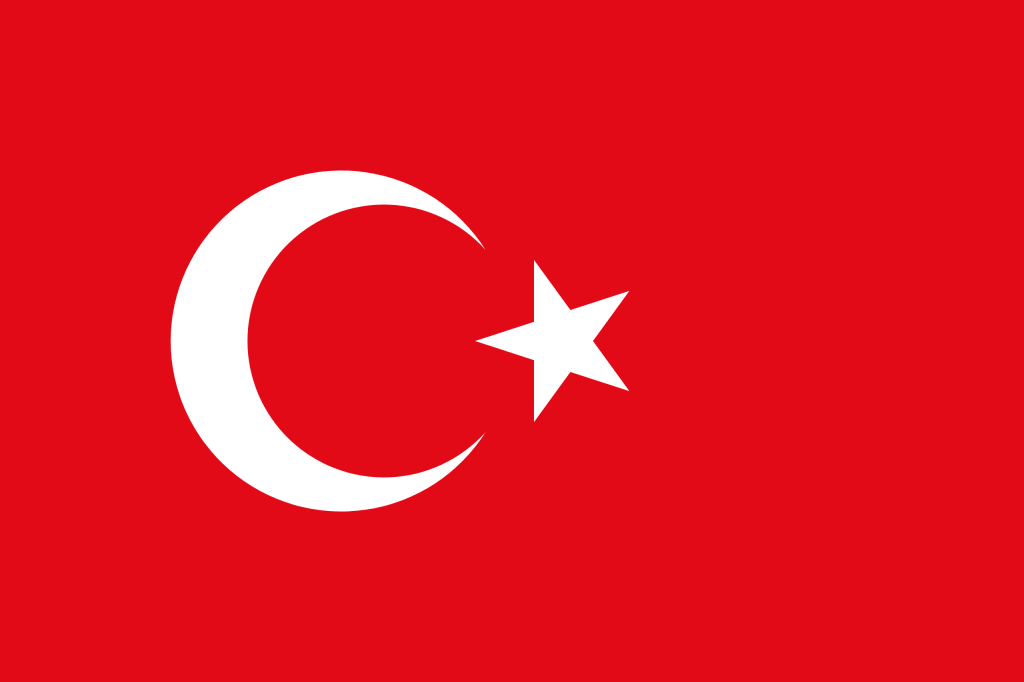
Turkey – Cultural bridge between Europe and Asia with layered history. Istanbul is a stunning city and dominates urban tourism. Regions vary greatly in character and development. The south is very well known for its beaches. Cappadocia is a true delight in Central Turkey.
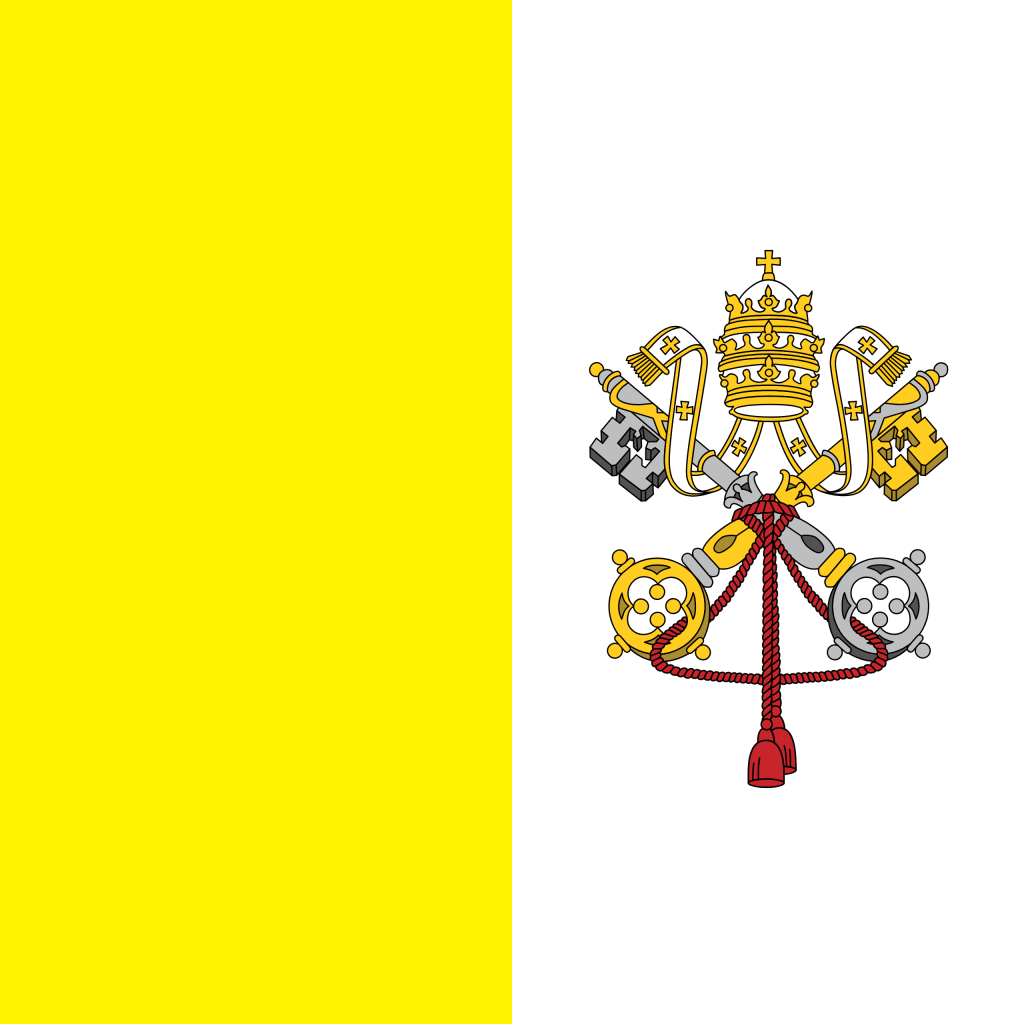
Vatican City – Tiny religious state at the heart of Rome. Cultural importance far outweighs physical size. Access is tightly managed. The centre for Catholics worldwide but interesting for non believers too.
 Regal Sunset