
Large distances, layered history, evolving societies
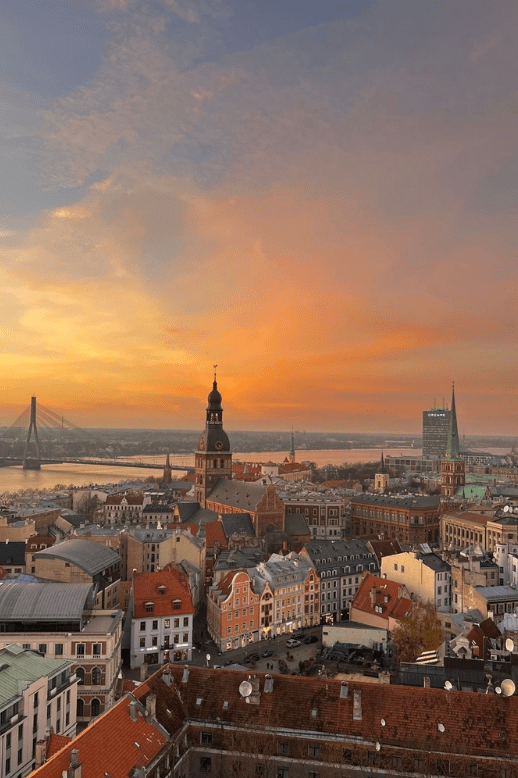
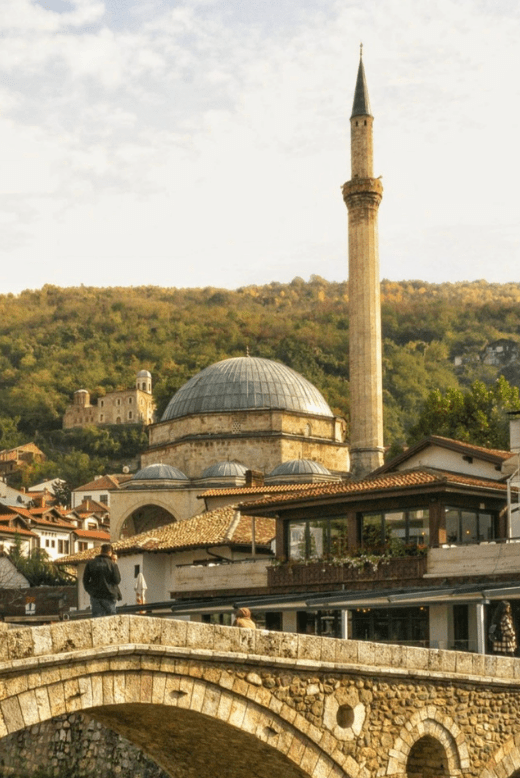
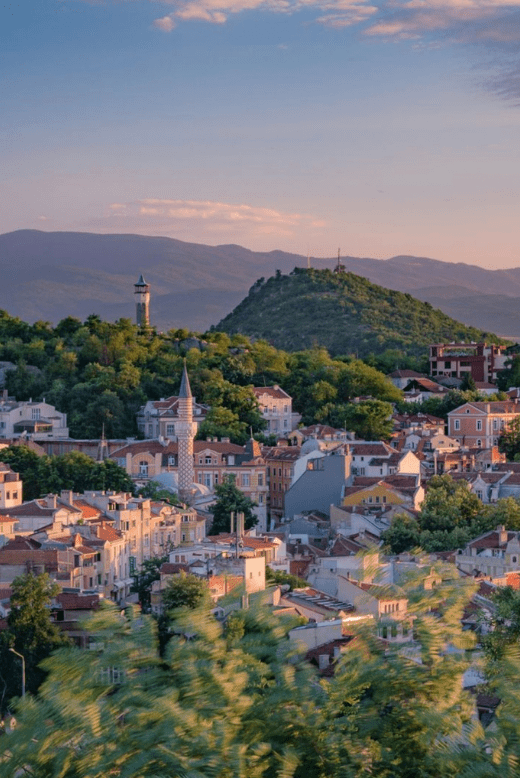
Eastern Europe is vast and diverse, shaped by a complex history of empires, socialism, and rapid social change. It includes countries such as Ukraine, Moldova, Belarus, and Russia, where large distances and deep regional differences define travel. Cities like Kyiv, Moscow, and Saint Petersburg offer grand architecture, strong cultural traditions, and a sense of scale rarely found elsewhere in Europe.
The region is rich in literature, music, religion, and political history, with travel often feeling more intense and reflective than in Western Europe. Rural areas remain deeply traditional, while cities continue to evolve quickly. For travellers interested in history, identity, and social change, Eastern Europe offers depth and perspective.
Travel in Eastern Europe requires more planning, particularly regarding visas, transport, and current political conditions. Safety and stability vary significantly by country and by region. For experienced travellers seeking cultural depth rather than comfort, Eastern Europe can be deeply engaging.
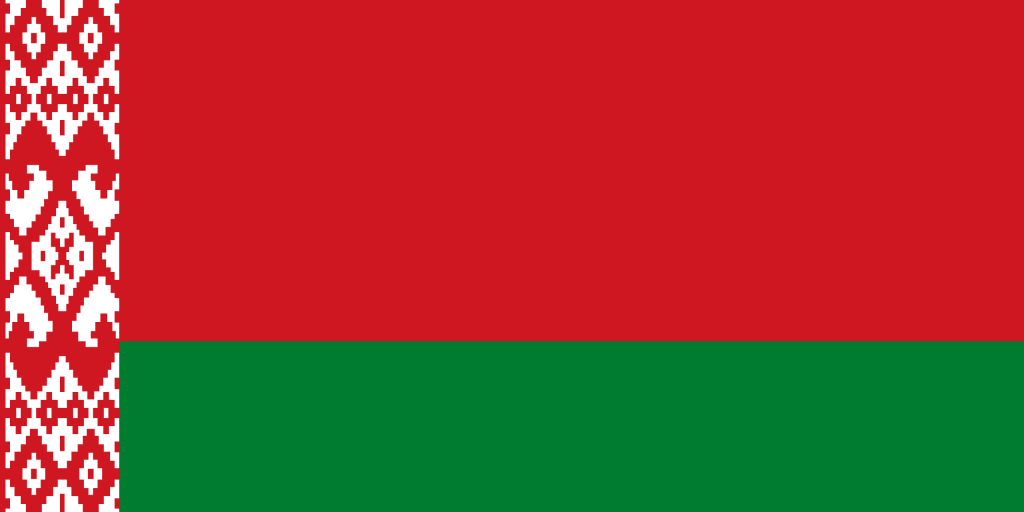
Belarus – Highly controlled political system with limited tourism. Cities feel orderly but restricted. Independent travel can be difficult but isn’t impossible. Minsk is a fascinating and interesting city. It can be reached via Vilnius or directly.

Bulgaria – Black Sea coast, Orthodox heritage, and rural traditions. Affordable travel with improving infrastructure. Good beaches with low cost flight access and many interesting rural destinations. The most recent country to join the Euro.
Kosovo – Young state with evolving institutions and strong local culture. Infrastructure remains limited. Travel feels emerging and informal. Pristina has improved significantly recently.
Moldova – Rural traditions, wine culture, and low tourism density. Infrastructure is basic but improving. Travel feels local and informal. The winelands around Cricova are some of the most fascinating in the world. Moldova also includes the breakaway self declared republic or Transnistria. A truly unique throwback to the old Soviet Union for those that are inclined.
Romania – Carpathian mountains, medieval towns, and rural traditions. Cities are evolving while countryside remains traditional. Bucharest has a different feel to it than many other cities in Eastern Europe. Secondary cities such as Cluj and Timisoara are pleasant with easy flight access.
Russia – Vast country with immense cultural and geographic diversity. Moscow and Saint Petersburg dominate tourism. Travel outside major cities requires planning. The famous Trans Siberian railway remains an option but the visa situation is more complicated at the moment.

Serbia – Energetic cities, nightlife, and layered Balkan history. Belgrade is vibrant and social. Travel is affordable and accessible. Belgrade is a young city with interesting history. Novi Sad sits on the Danube and is well worth a visit in its own right.

Ukraine – Large agricultural nation with deep cultural heritage. Cities are historic and lively. Current instability affects travel conditions so great care must be exercised before deciding if to travel there or not. It is also difficult to know the exact nature of the destinations in these difficult and uncertain times. Avoid the East of the country and Crimea for now.
 Regal Sunset