Rainforests, Rivers, and Remote Wilderness
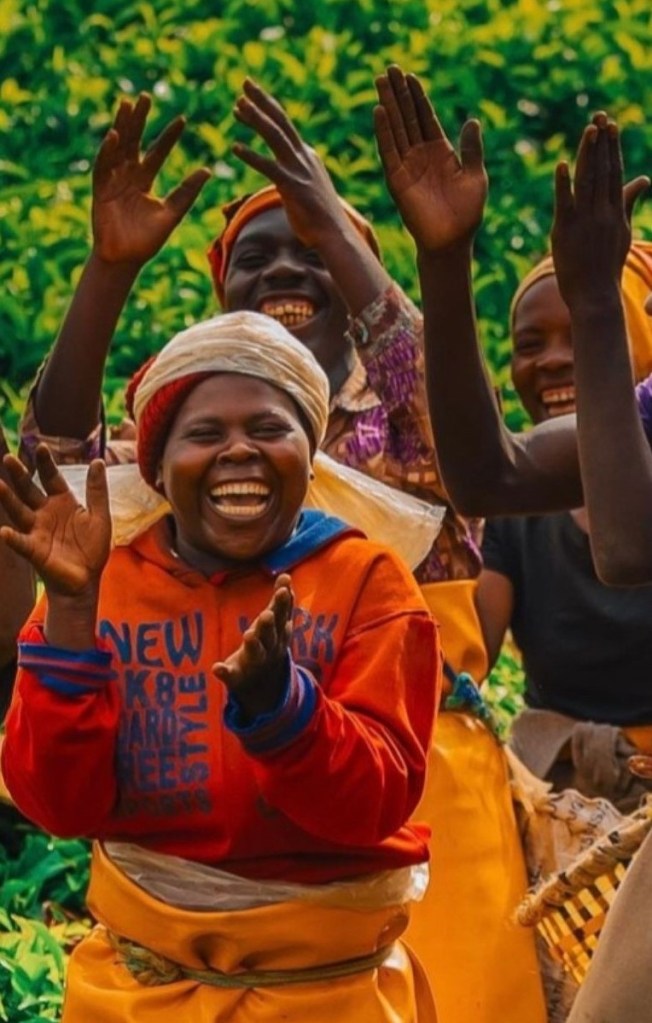
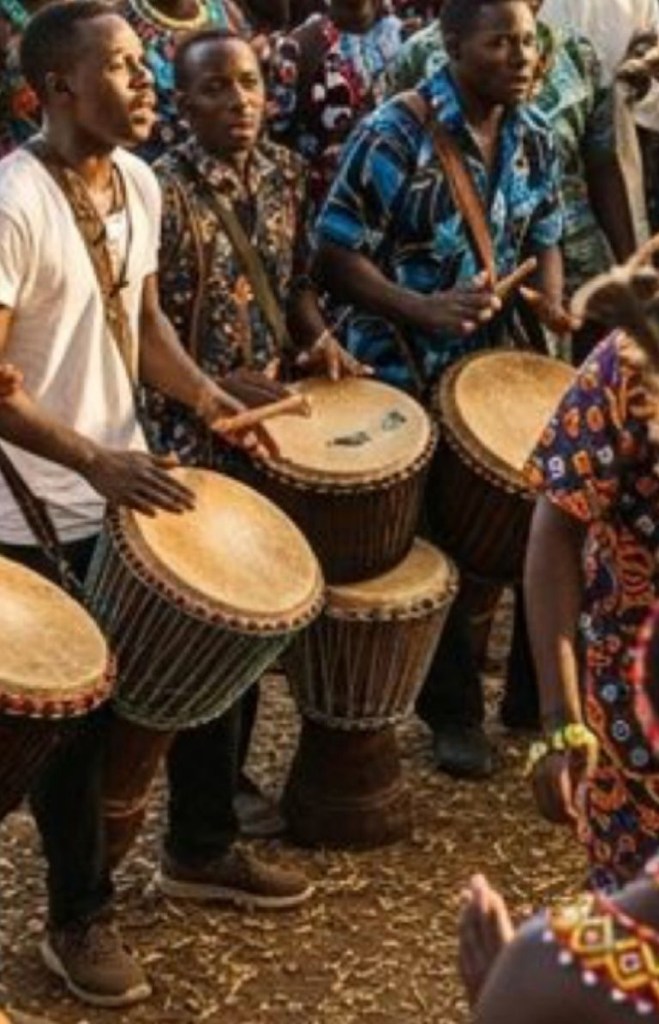
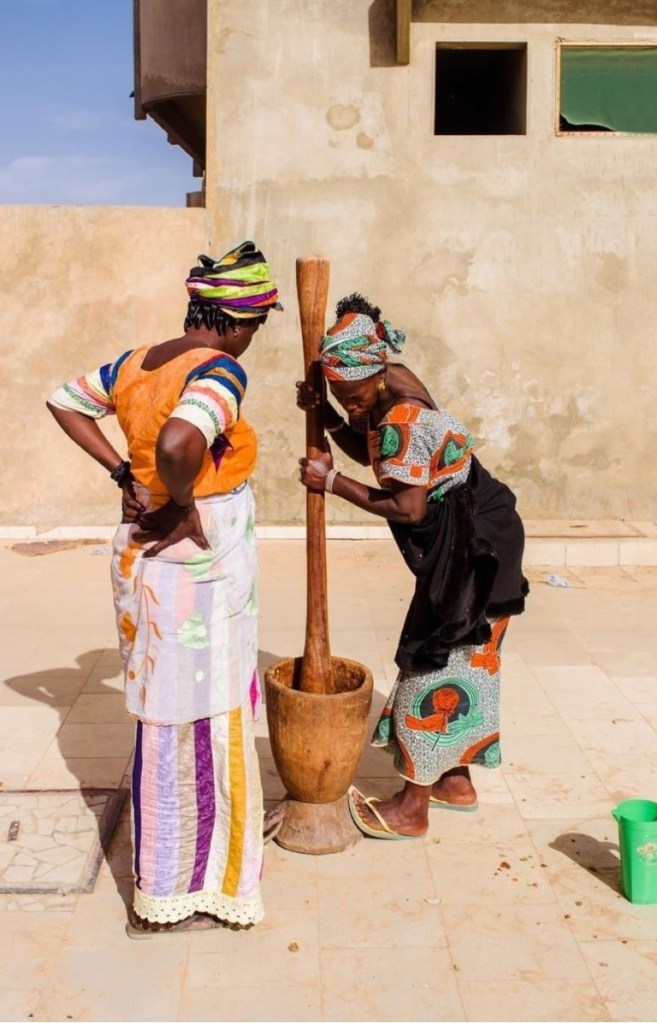
Central Africa is defined by dense rainforests, vast river systems, and some of the least visited landscapes on the continent. This region includes countries such as the Republic of Congo, the Democratic Republic of Congo, Cameroon, Gabon, Central African Republic, and Equatorial Guinea. It is a region of immense natural richness, with tropical forests, rare wildlife, and powerful rivers shaping both the land and daily life.
The Congo Basin is the worlds second largest rainforest and is home to forest elephants, gorillas, and countless bird species. Gabon is known for its protected national parks and relatively well managed wildlife tourism, while Cameroon offers a mix of rainforest, savannah, mountains, and coastline within a single country. The Congo River is one of the great waterways of the world and has played a central role in trade, culture, and exploration for centuries.
Central Africa is one of the most complex but rewarding regions to travel in. Infrastructure is limited, distances are large, and political and security conditions vary widely by country and by region. Travel is possible in parts of the region, particularly in Gabon and Cameroon, but generally requires careful planning, local support, and a high tolerance for unpredictability. For travellers seeking remote nature, cultural depth, and places far from the mainstream tourist trail, Central Africa offers a rare and powerful experience.
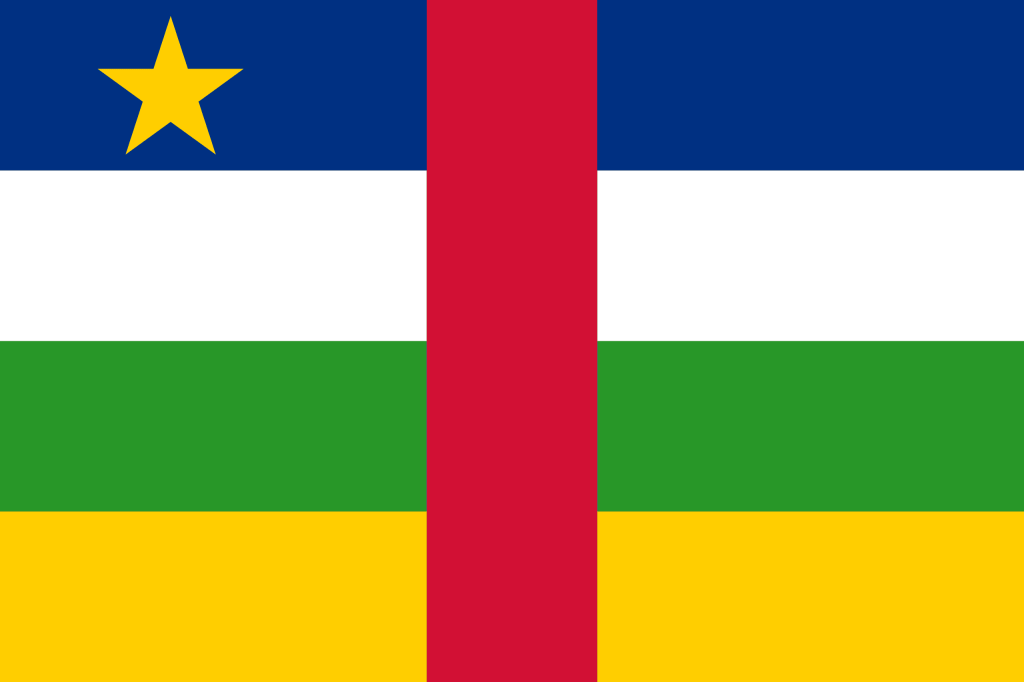
Central African Republic – Although remote, CAR boasts rich rainforests and an impressive diversity of wildlife, including rare forest elephants and lowland gorillas. Dzanga-Sangha National Park is a highlight for ecotourists seeking off-the-beaten-path experiences. But it has security challenges and is volatile politically.
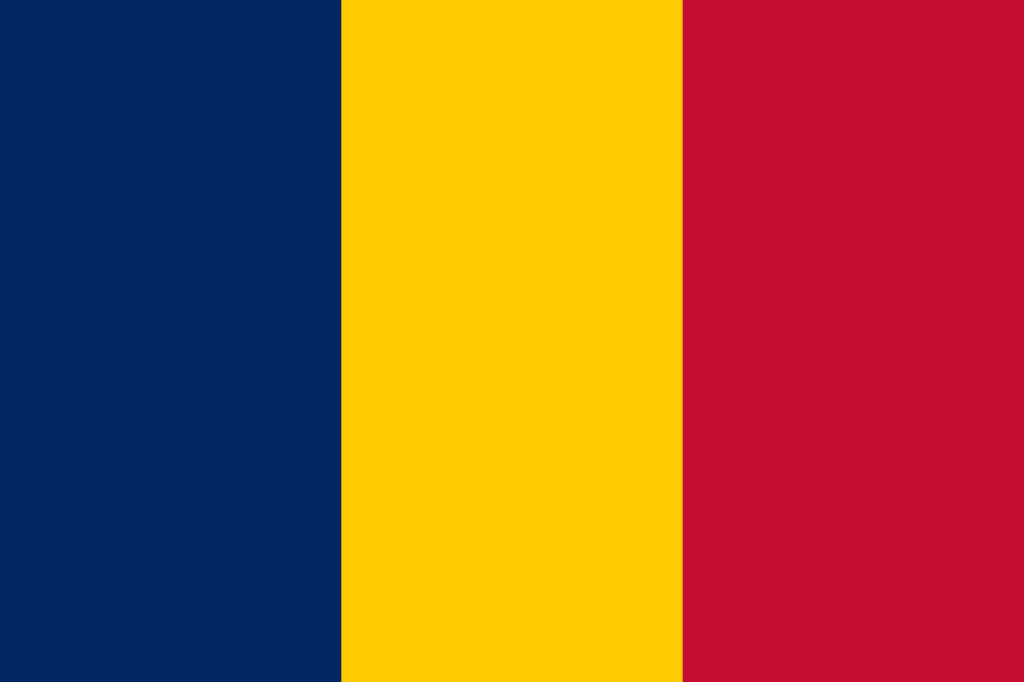
Chad – Known for its desert landscapes and Lake Chad, the country offers unique sights like the Tibesti Mountains and the Ennedi Plateau’s sandstone formations. Chad is ideal for adventure seekers looking for rugged, untamed landscapes. Due to the ever-changing security situation, check carefully before travelling.
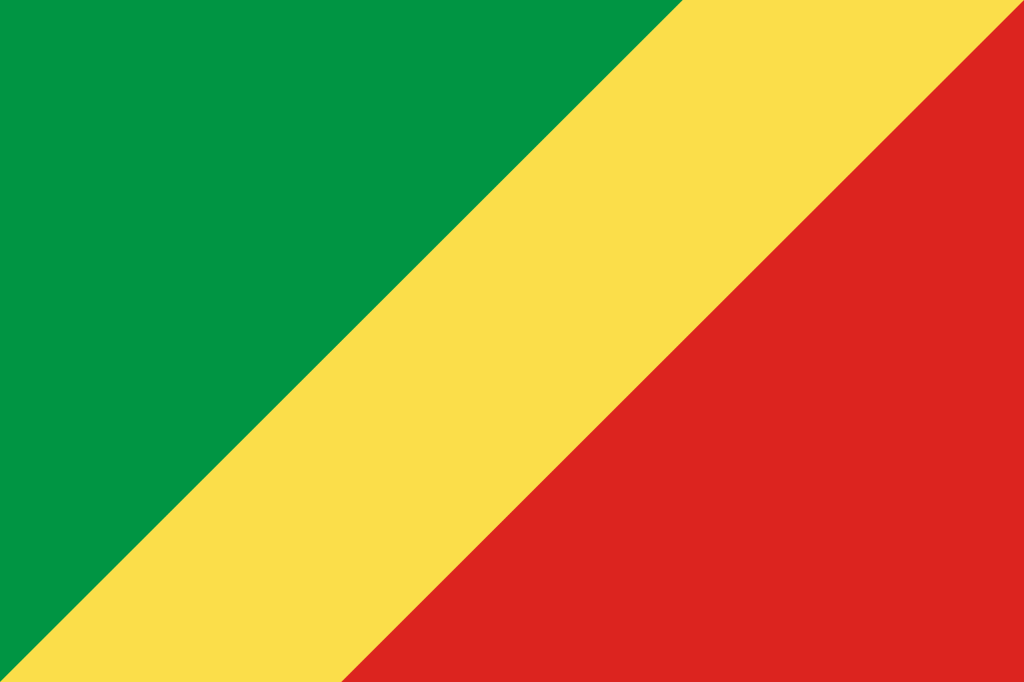
Republic of Congo – Dense rainforests, winding rivers and rich wildlife create a feeling of true central African wilderness. It is ideal for travellers seeking nature, remoteness and authentic encounters away from crowds. Not to be confused with is bigger neighbour, although Brazzaville is only across the Congo River from Kinshasa.
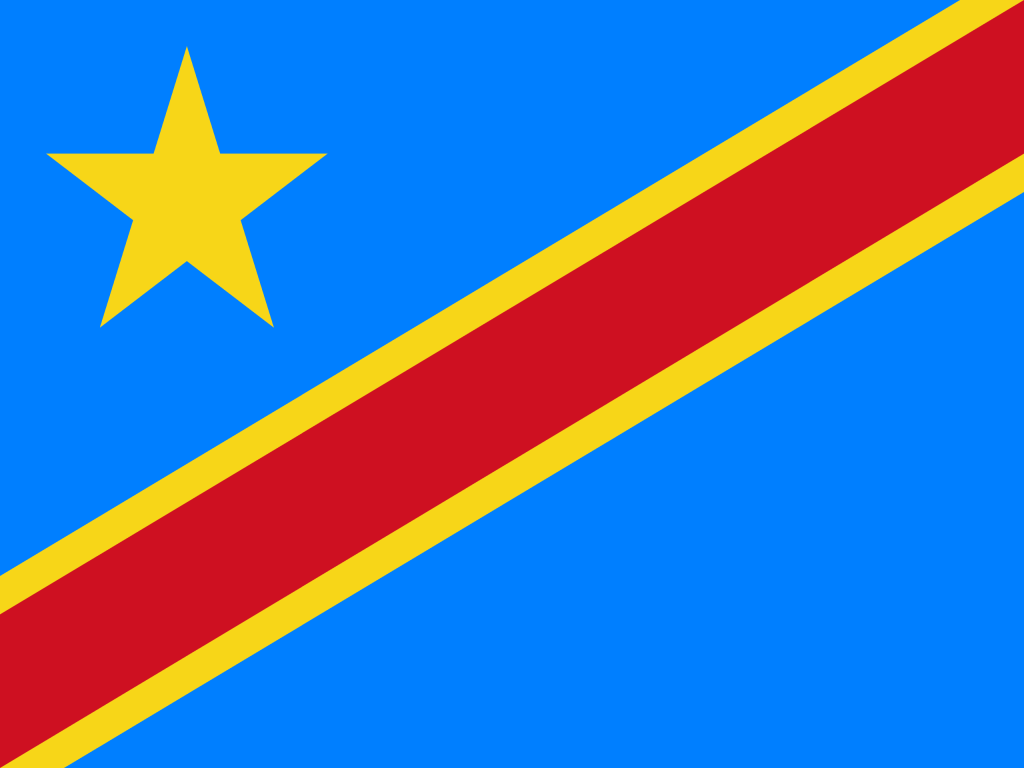
Democratic Republic of Congo – Immense rainforests, powerful rivers, and rare wildlife create raw, untamed beauty. Kinshasa, the capital, has a thriving music and arts scene, and the country’s natural resources provide dramatic landscapes. A huge, fascinating country with immense potential but also many challenges.
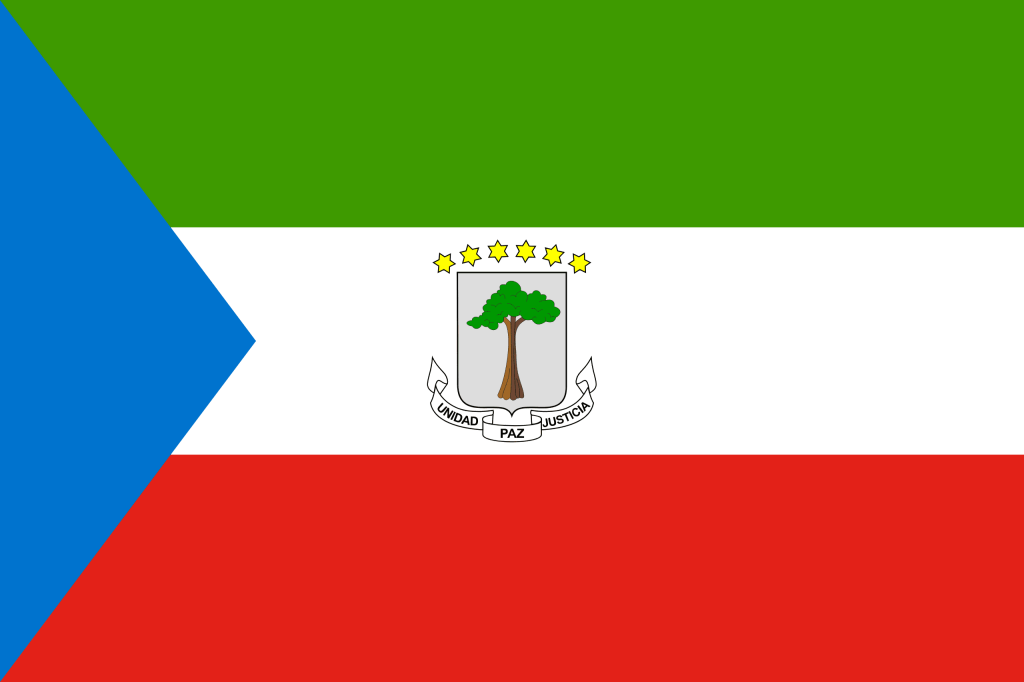
Equatorial Guinea – The only Spanish speaking country in Africa located both on the mainland and the island. This small, complicated oil-rich country features lush landscapes, beautiful islands, and Spanish colonial architecture. Bioko Island offers pristine beaches and great wildlife spotting, including sea turtles and primates.

Gabon – Gabon is known for its rainforests, national parks, and rich biodiversity. Loango National Park offers safaris with a chance to see gorillas, hippos, and elephants on the beach, providing a one-of-a-kind ecotourism experience.
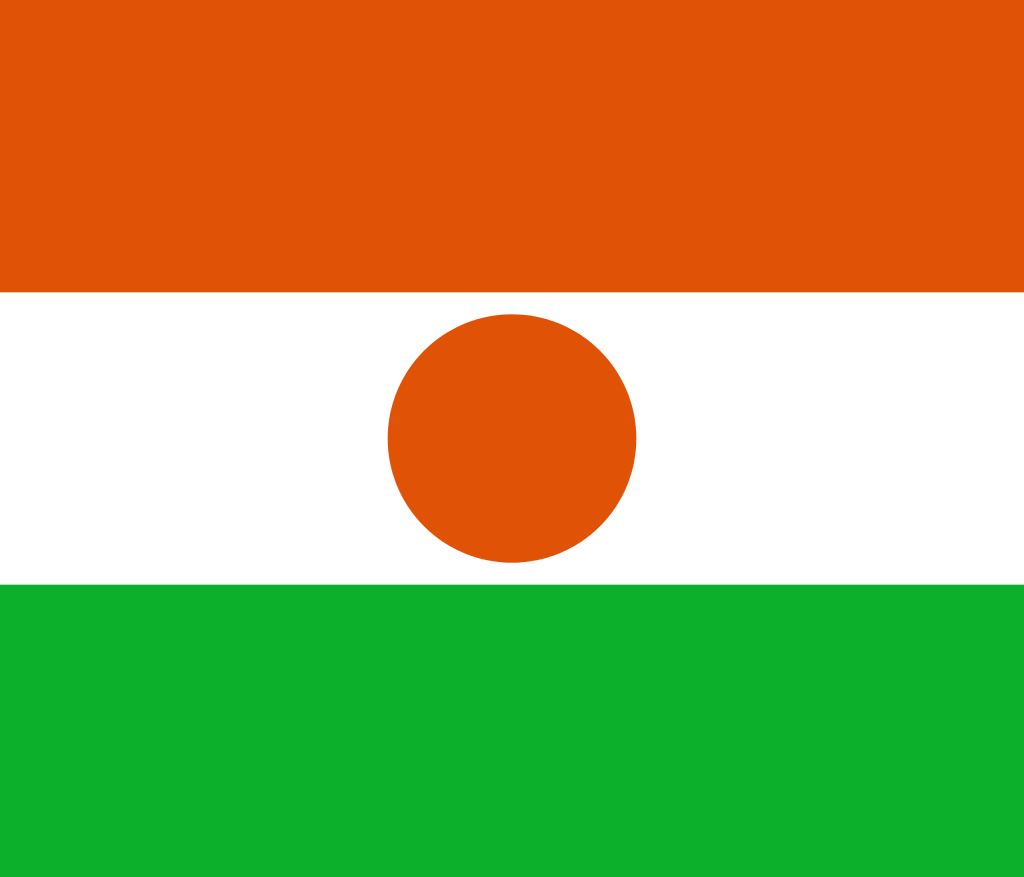
Niger – Vast desert scenery, nomadic cultures and dramatic dunes shape one of the worlds most striking landscapes. It suits travellers interested in culture, geography and the scale of the Sahara. This little known landlocked country is not for the inexperienced traveller.
 Regal Sunset