
Historic transitions, strong identity, evolving economies
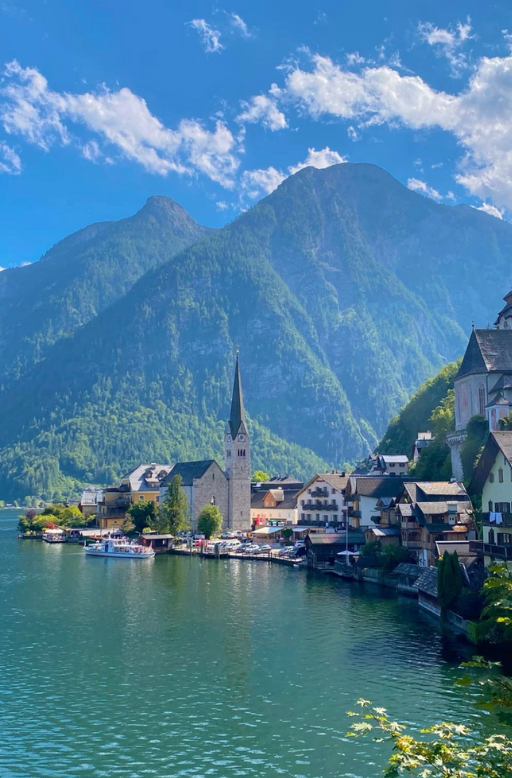
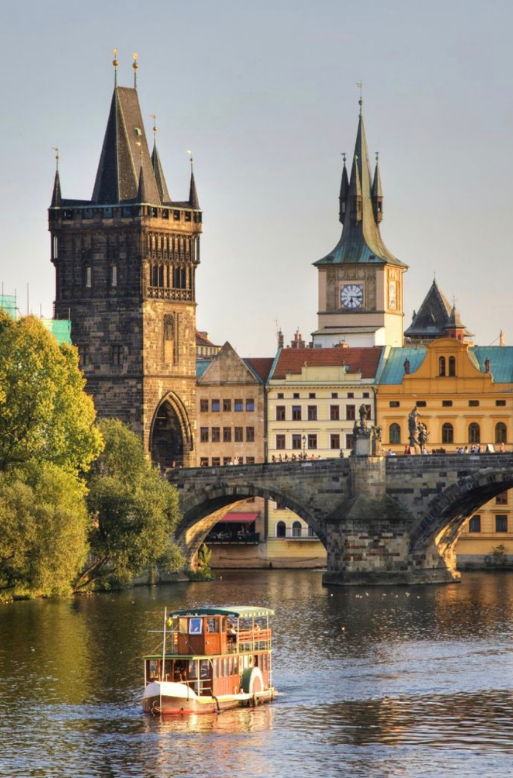
Central Europe sits at the crossroads of Western and Eastern Europe, shaped by centuries of shifting borders, empires, and political change. It includes countries such as the Czech Republic, Poland, Slovakia, Slovenia, and the Baltic states of Estonia, Latvia, and Lithuania. Cities like Prague, Krakow, Vilnius, and Ljubljana are rich in architecture, history, and cultural depth, often at lower costs than Western Europe.
The region offers a mix of medieval old towns, forested landscapes, mountains, and river valleys. Travel often feels more local and less commercialised, with strong traditions in food, beer, music, and craftsmanship. Many travellers are drawn to Central Europe for its authenticity, affordability, and sense of discovery.
Central Europe is generally safe and easy to travel, with improving infrastructure and growing tourism. Language barriers can be slightly higher than in Western Europe, but locals are often welcoming and curious. For travellers who enjoy history, culture, and places that feel slightly less polished, Central Europe offers a rewarding balance.
Austria – Imperial cities, alpine scenery, and classical music heritage define Austria. Vienna remains culturally rich and highly liveable. Can also be twinned with Bratislava as very close. Transport and infrastructure are excellent. Salzburg is an interesting second city to visit.

Czech Republic – Preserved cities, beer culture, and industrial heritage. Prague dominates tourism but smaller towns offer calmer alternatives. Easy and affordable travel. Get out of Prague for a more authentic epxerience.

Estonia – Digital society with medieval towns and forests. Tallinn blends technology with history. Travel is simple and efficient. Easy ferry ride from Helsinki.

Hungary – Hungary blends grand architecture with a strong folk culture. Budapest offers riverside beauty and vibrant nightlife, while rural regions preserve tradition. It suits travellers seeking culture, relaxation, and affordability.
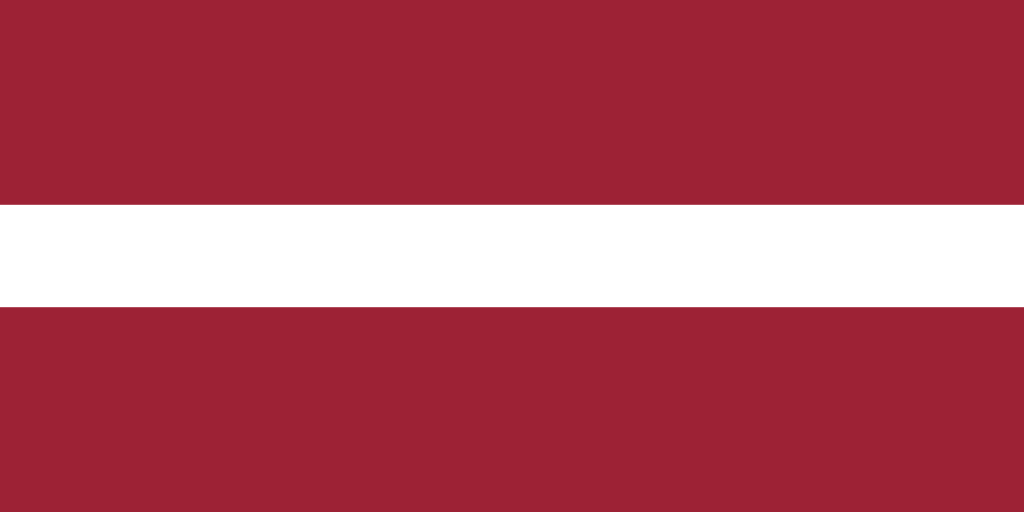
Latvia – Baltic coastline, forests, and art nouveau cities. Riga offers preserved architecture and cultural depth. Tourism remains moderate.
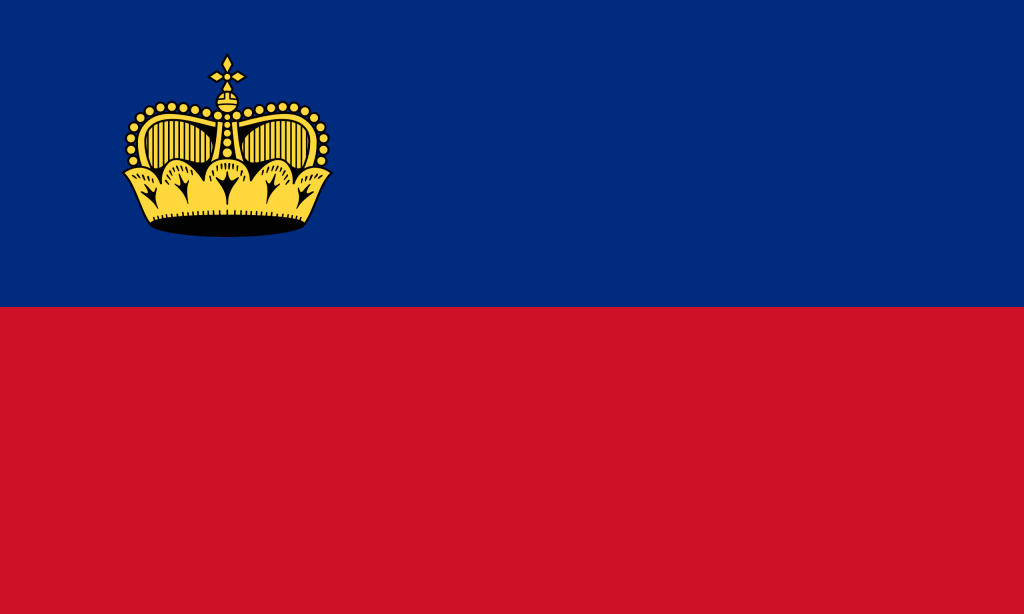
Liechtenstein – Tiny alpine state focused on finance and mountain villages. Limited tourism infrastructure but scenic landscapes.
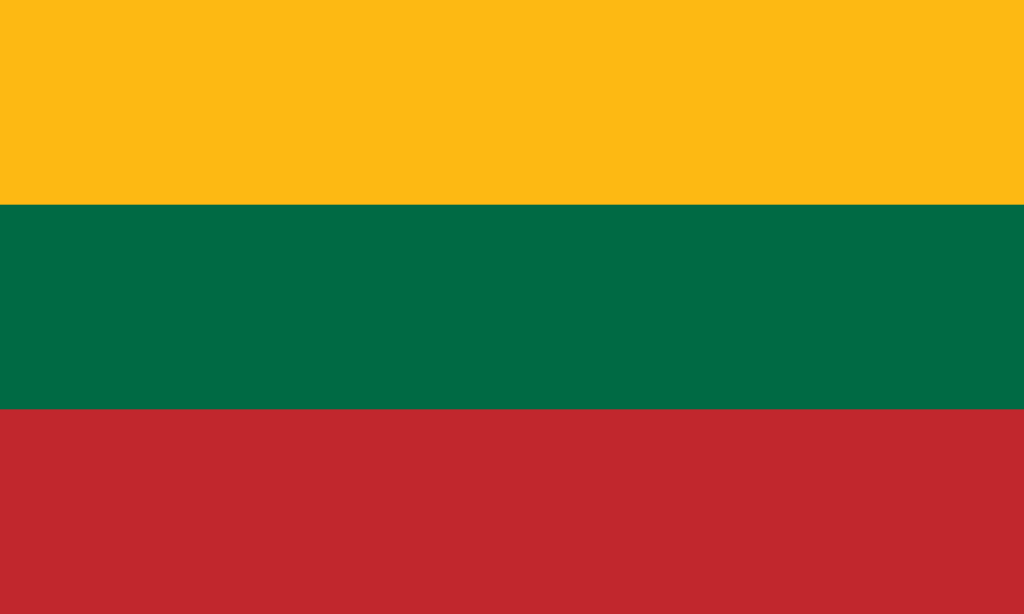
Lithuania – Baroque old towns, lakes, and strong national identity. Vilnius remains compact and cultural. Tourism is growing slowly.
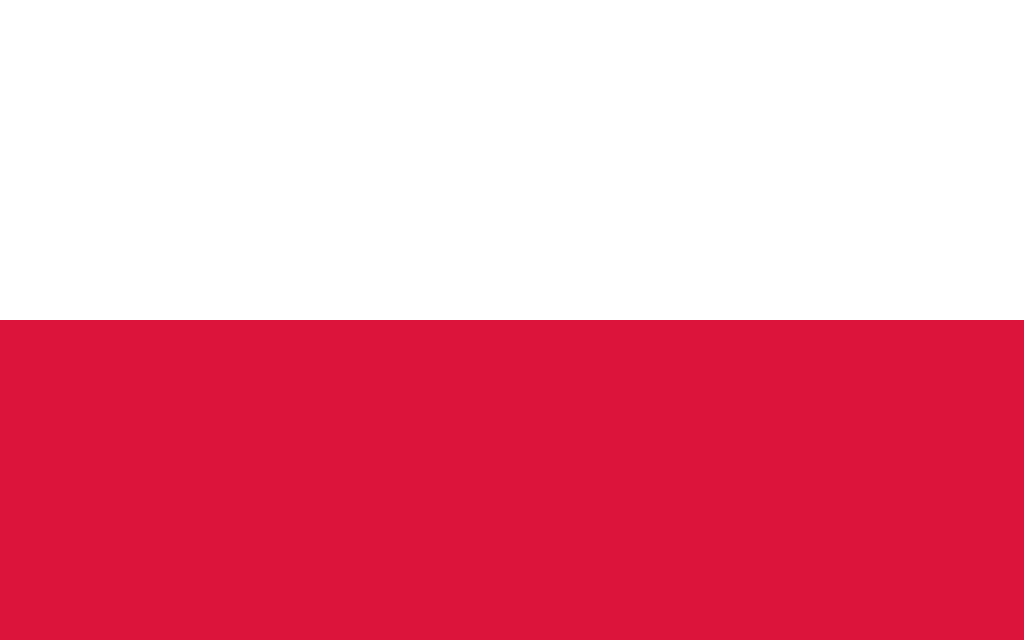
Poland – Large country with fast developing cities and deep history. Krakow and Warsaw dominate tourism. Infrastructure is improving rapidly. Many direct flights now from all over Europe to many cities within Poland. Gdansk is an interesting city in the north to visit.
Slovakia – Forests, castles, and smaller scale urban life. Bratislava is compact while rural areas remain traditional. Tourism remains light. Very picturesque in the winter months.

Slovenia – Green landscapes, alpine lakes, and compact cities. Focus on sustainability and outdoor travel. Easy to explore. Lake Bled remains its gem but plan your trip there as can be overcrowded.
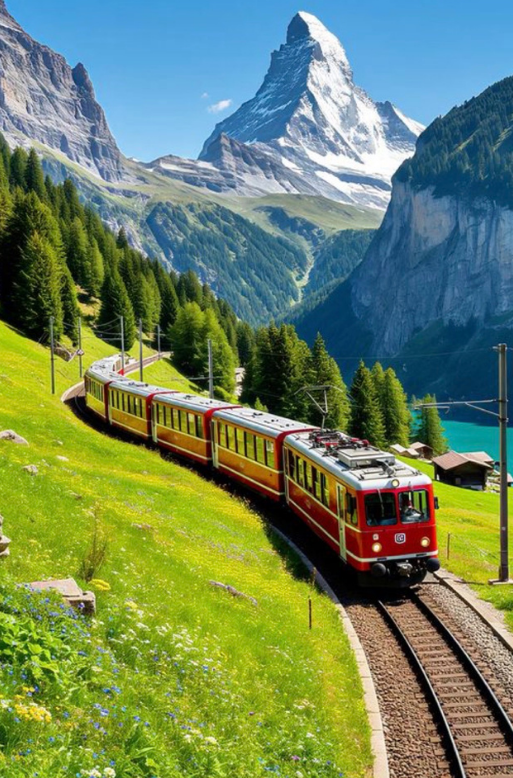
Switzerland – Mountains, precision, finance, and multilingual society shape the country. Travel is scenic but expensive. Cities are clean, organised, and culturally rich. Lake Geneva is stunning and has been enjoyed by the rich and famous for many years.
 Regal Sunset